Samsung TVs Run AlexNet on Screen Captures, Teardown Alleges
A teardown claims Samsung TVs run an AlexNet model on screen captures every few seconds, reportedly failing most of the time and discarding results before consent; the discussion questions whether regulation can catch up
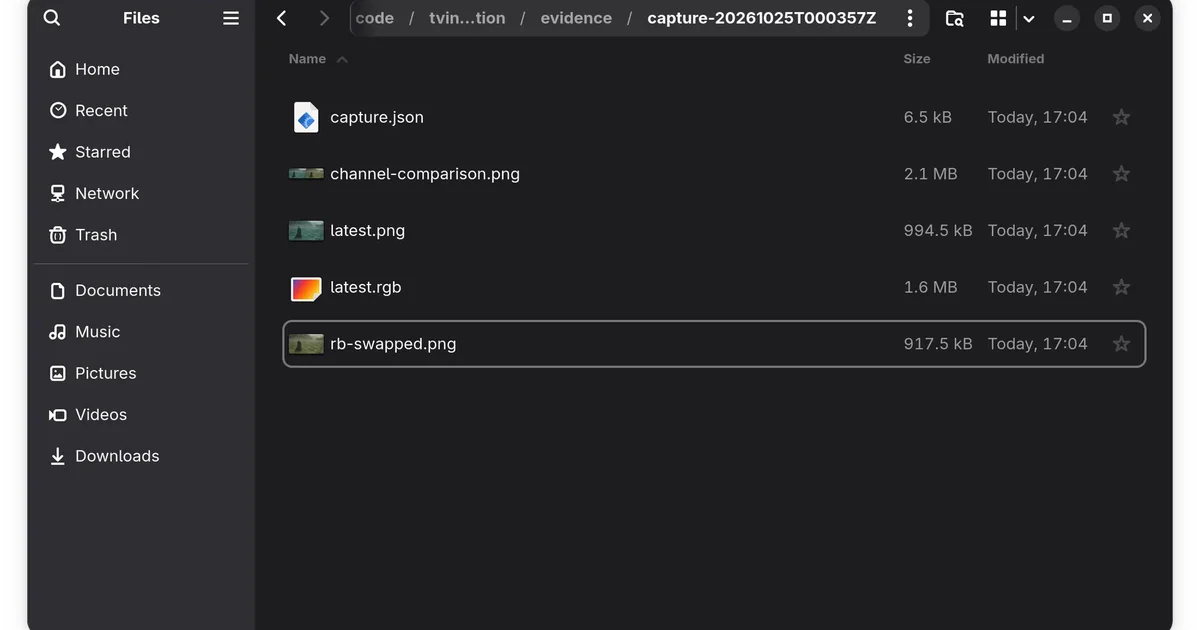
A teardown posted to X alleges that Samsung TVs run a TensorFlow Lite model on screen captures every few seconds to infer which game is being played. The poster says the model fails most of the time and wastes CPU.
The post includes a model graph and captured frames. A separate post describes a comprehensive Tizen breakdown on a live device.
Key takeaways
- The model file is named alex.tflite and appears to follow torchvision.models.alexnet, according to the post.
- It processes 960×540 images with INT8 quantization every couple of seconds, the post says.
- The poster reports nearest-neighbor feature comparisons against a database and a failure rate of about 99%.
- Results are reportedly dumped before the consent gate, so data may be processed before permission.
- A separate post describes a comprehensive Tizen breakdown on a live device, with a document long enough to require scrolling.
What people think
Analysis details
15 comments analyzed. Analyzed .
The sample selects active discussion branches and includes available parent comments. It may omit parts of the full thread. The analysis included 15 of 20 usable stored comments because of the input limit. Selected themes do not measure community opinion or how common a view is.
Regulating big tech versus minor nuisances
A comparison with a UK rule against carrying planks on pavements frames frustration that trivial annoyances are regulated while pervasive data collection is not. Replies question whether the plank rule is enforced and argue that technical complexity, regulatory capture and campaign finance make effective oversight difficult. The thread does not converge on a remedy.
Cheap TVs subsidized by ads and data
Manufacturers offset low hardware prices through paid app placement, advertising and selling information about viewers. One commenter describes recommending a large inexpensive TV as a display-only device that never connects to the network, but the set periodically prompts for Wi-Fi and confuses a senior user. The tradeoff is explicit: low upfront cost in exchange for ongoing monetization.
Rooting Tizen and running local inference
A wish to root Tizen and replace the slow Samsung UI with custom firmware is met with the idea of investing in an 'unneuthered' model. Another reply asks who serves such inference, noting they cannot fit anything usable on their own hardware. The exchange highlights hardware and software constraints on local processing.
Avoiding or neutering smart TVs
Practical responses include not buying smart TVs, especially Samsung devices described as poor even by low IoT standards, and using a display without network access. The suggestions range from purchasing changes to rooting and custom firmware, though the latter faces technical hurdles.
Surveillance and data selling
The finding that a TV runs image recognition to infer activity feeds broader concerns about surveillance and data monetization. One commenter contrasts heavy regulation of minor physical nuisances with the lack of oversight for an industry that spies on the population, while another describes cheap TVs as subsidized by selling information about viewers.