Latest stories

  • Infrastructure & Efficiency

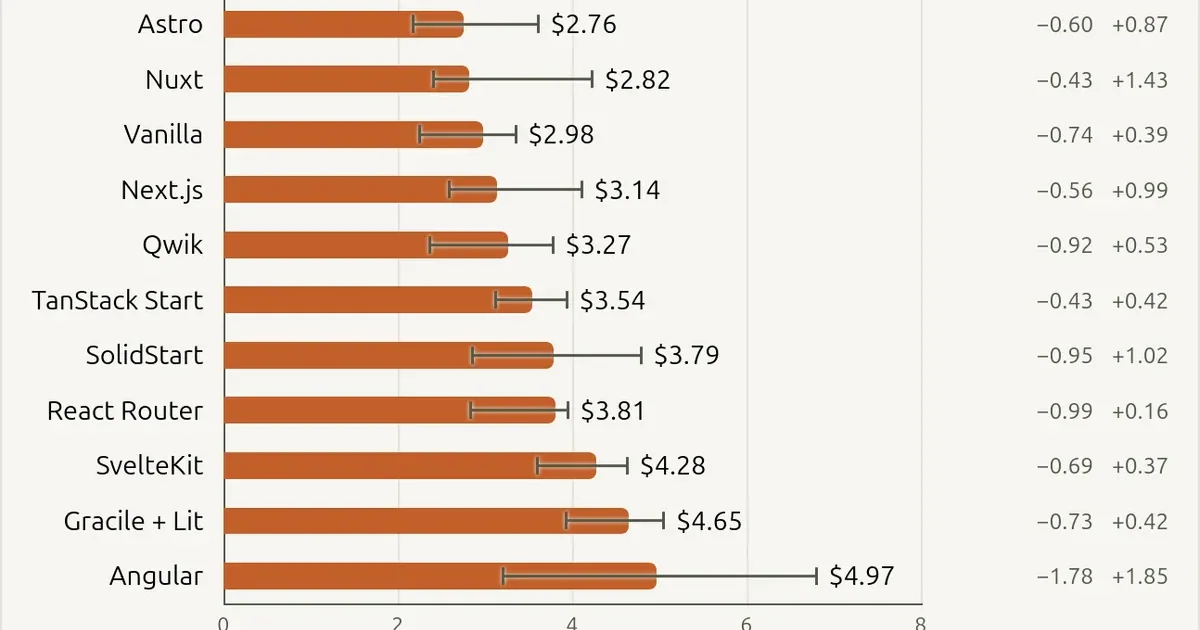
    Coding Agents Cost $2.67 to $4.97 per App, Depending on the Framework

    Lighthouse scores were nearly saturated, so JavaScript bytes and blocking time separated the frameworks, though agent runs are stochastic and the app is one content-heavy holotype.

    Discussion summary

    Frameworks are cast as an institutional bargain that spares employers from training developers and eases candidate screening, with the human cost landing on teams whose problems fall outside the framework's constraints.

    75 points41 comments
  • Safety & Privacy

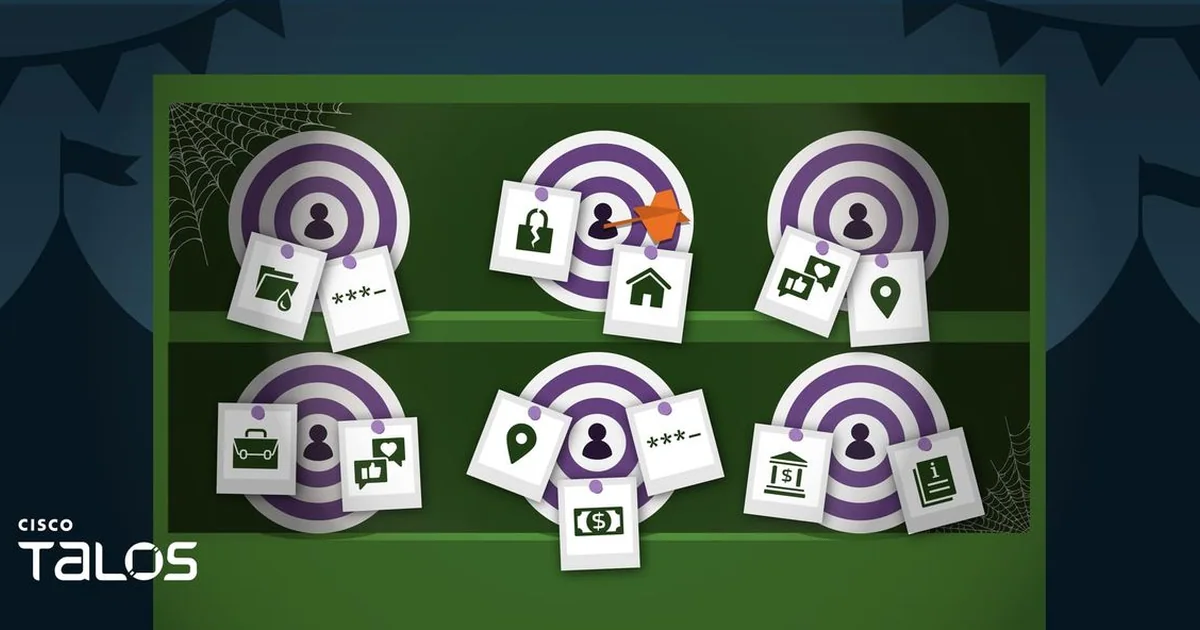
    VOLTA Infostealer Adds LLM Triage to Rank Victims by Value

    Talos documents VOLTA-AUTODOXER using OpenRouter models to rank stolen assets and assess OPSEC, with fallback models if refused; whether LLMs improve target triage remains disputed.

    Discussion summary

    Separate machines or VMs for banking, development, gaming and social accounts are proposed to limit what a single infostealer can exfiltrate.

    112 points48 comments
  • Industry & Society

    AI Eases Incident Response While Eroding the Skills SREs Need Most

    AI-assisted incident response risks deskilling SREs, argues SigNoz, citing automation research and medical and aviation examples, though the evidence is analogical and remedies untested.

    Discussion summary

    The label covers everything from Google-style engineering teams that co-design systems and can throttle releases to Kubernetes-and-Terraform platform roles.

    189 points147 comments
  • Safety & Privacy

    Backdoored Claude Code Extension Slips Through Cursor Marketplace

    Phorion reported a backdoored Claude Code extension on Cursor's marketplace that planted SSH keys and persistence, though a macOS permission bug may have blocked inbound access.

    Discussion summary

    Anthropic said the tampered extension was published through Cursor's marketplace, not Anthropic systems or employee devices, and that official VS Code and OpenVSX versions were unaffected.

    161 points313 comments
  • Agents & Coding

    Fifty AI Agents Built a Minecraft Bureaucracy, Then Rationed Food

    Fifty LLM agents in Minecraft formed a rationing bureaucracy under a directory-order leader, but 22 first-night deaths made them risk-averse; the three-hour run shifted toward food and survival.

    Discussion summary

    Writing JavaScript programs to act is taken as evidence that current LLMs cannot follow simple logical sequences and generalize poorly; mining ore should not require code generation.

    263 points89 comments
  • Industry & Society

    Nvidia Chief's Ties to Accused Chinese Spy Set Off US Alarms

    US intelligence concluded a Megaspeed executive passed information to Beijing while cultivating ties to Jensen Huang, though the reporting does not say what she sent or whether he knew.

    Discussion summary

    Proximity to the head of the world's most valuable chipmaker is exactly the access a foreign intelligence service would cultivate, which makes the relationship itself the objective rather than any single document.

    157 points97 comments
  • Industry & Society

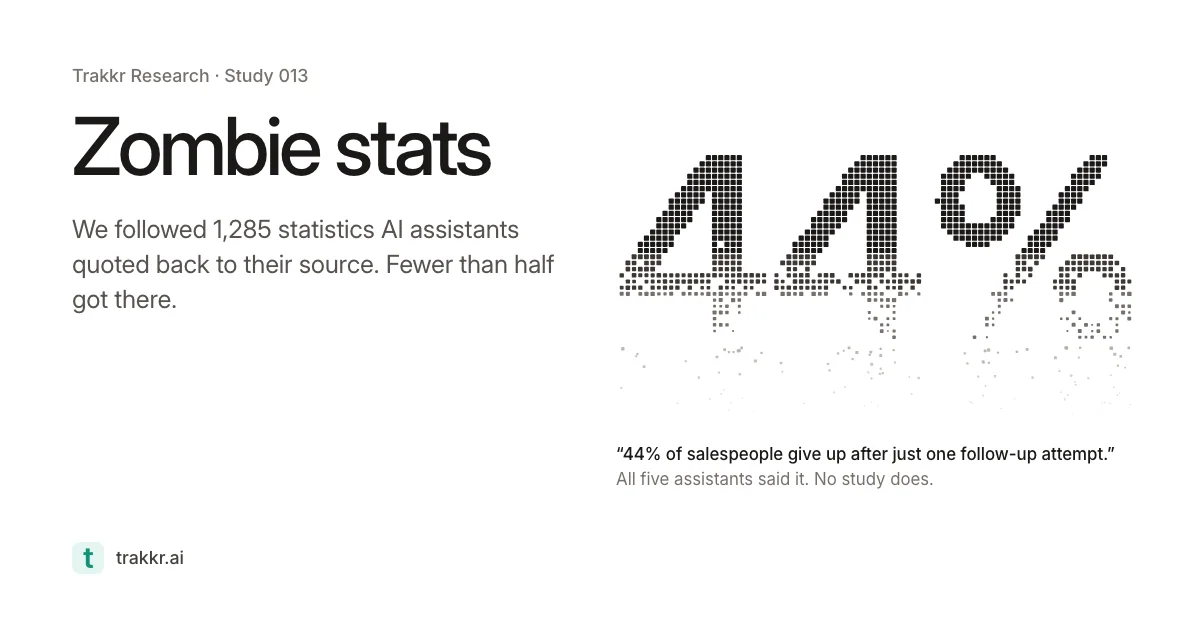
    AI Assistants Repeat Zombie Stats, and Unanimity Doesn't Help

    In a one-day API sample, 40% of 1,285 AI-cited statistics reached a matching study and 40% could not be checked; agreement across assistants did not improve sourcing.

    Discussion summary

    Perplexity's design requiring each sentence to trace to a source is framed as a trust advantage, but a user's experience over a year ago, not re-evaluated since, found it consistently citing AI blog spam as a primary…

    88 points45 comments
  • Safety & Privacy

    Anti-Bot Script Uses Bioweapon Prompts to Repel LLM Analysis

    A crawl of 10,000 sites found an anti-bot script whose obfuscation uses bioweapon and self-harm prompts to repel LLM analysis, though the Node code it hides may be decoy rather than functional malware.

    Discussion summary

    A hidden watermark in an embargoed document caused Outlook to quarantine it indefinitely, delaying delivery until someone inspected it.

    265 points49 comments
  • Models & Products

    Google Says Gemini 4 Carbon Tops Cyber Benchmarks as Early Access Stays Restricted

    Google’s Gemini 4 Carbon claims state-of-the-art cybersecurity and long-horizon coding, but early access is limited to cyber defenders and the benchmark results are vendor-reported.

    Discussion summary

    Argon and Carbon are read as arbitrary elements rather than a clear generation or tier. Carbon replaces Argon at the same price, and the public Argon was reportedly named Barium internally, deepening confusion.

    333 points258 comments
  • Agents & Coding

    Codex Refactored Past CI, but Ownership Still Needs a Human Map

    Agents can refactor code to satisfy CI, but ownership now depends on a system map and the low-level skill to dive when something breaks, and on how juniors acquire it.

    Discussion summary

    A high-level view of components and their interactions, including boxes and lines, sequence diagrams, and explicit boundaries, lets an owner locate the right module when something breaks.

    118 points49 comments
  • Safety & Privacy

    Anthropic's $1.5B Book Piracy Settlement Leaves Fair Use Unsettled

    A judge found Anthropic illegally pirated Stanford professors' books for Claude but called training on legally acquired works fair use, while Wolff and other authors seek greater damages in a separate lawsuit.

    Discussion summary

    The $1.5 billion civil settlement prompts comparisons to Aaron Swartz's CFAA prosecution, with arguments that individuals face criminal charges while corporations receive civil penalties.

    100 points42 comments